How to Maintain a Crane Slewing Bearing for Long Life?
For crane operators, fleet managers, and maintenance teams—your slewing bearing is the most critical rotating component on the crane. Proper maintenance directly extends its service life, cuts downtime, and avoids costly early replacement.
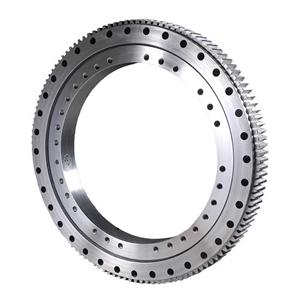
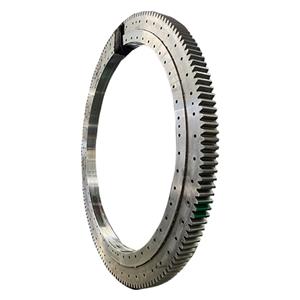
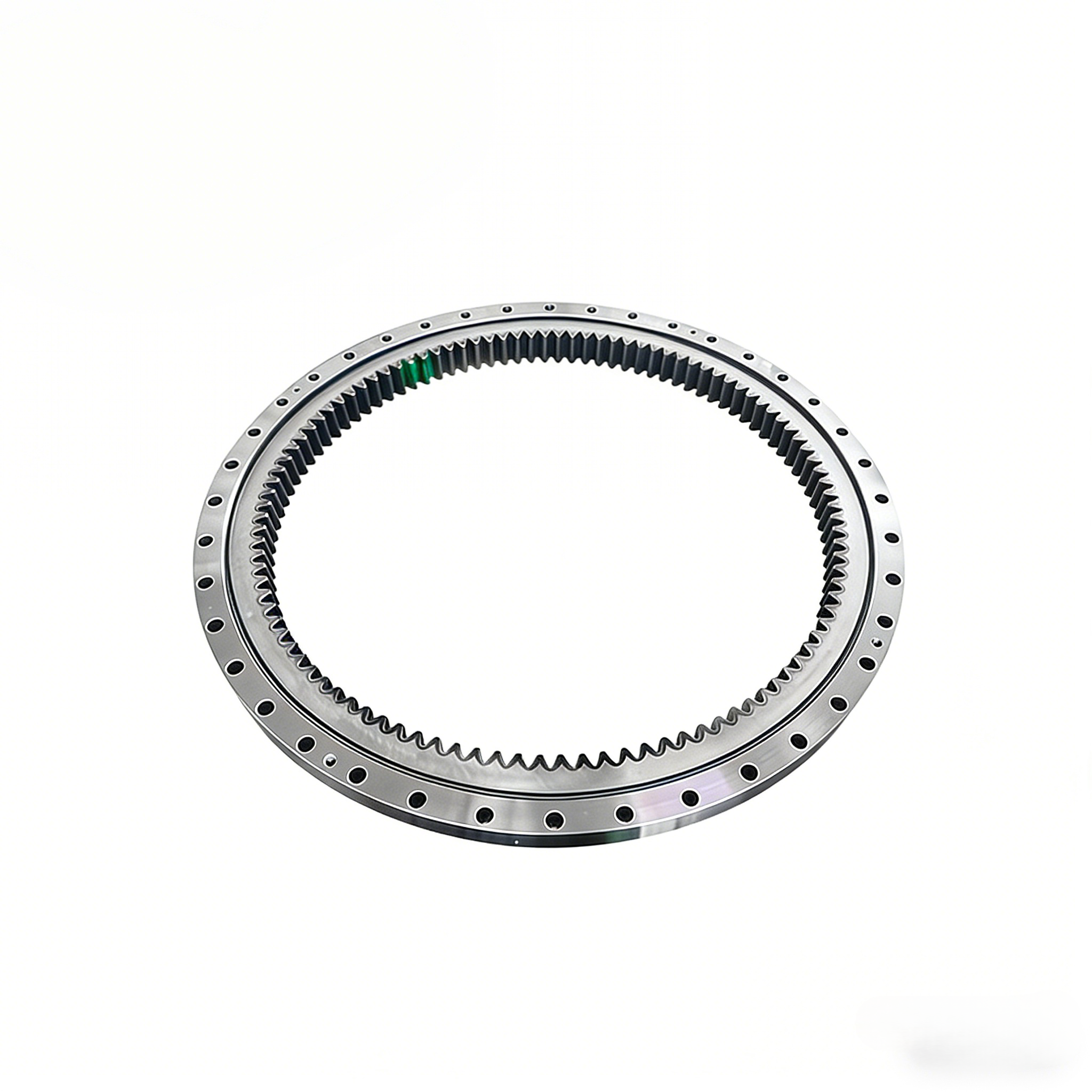
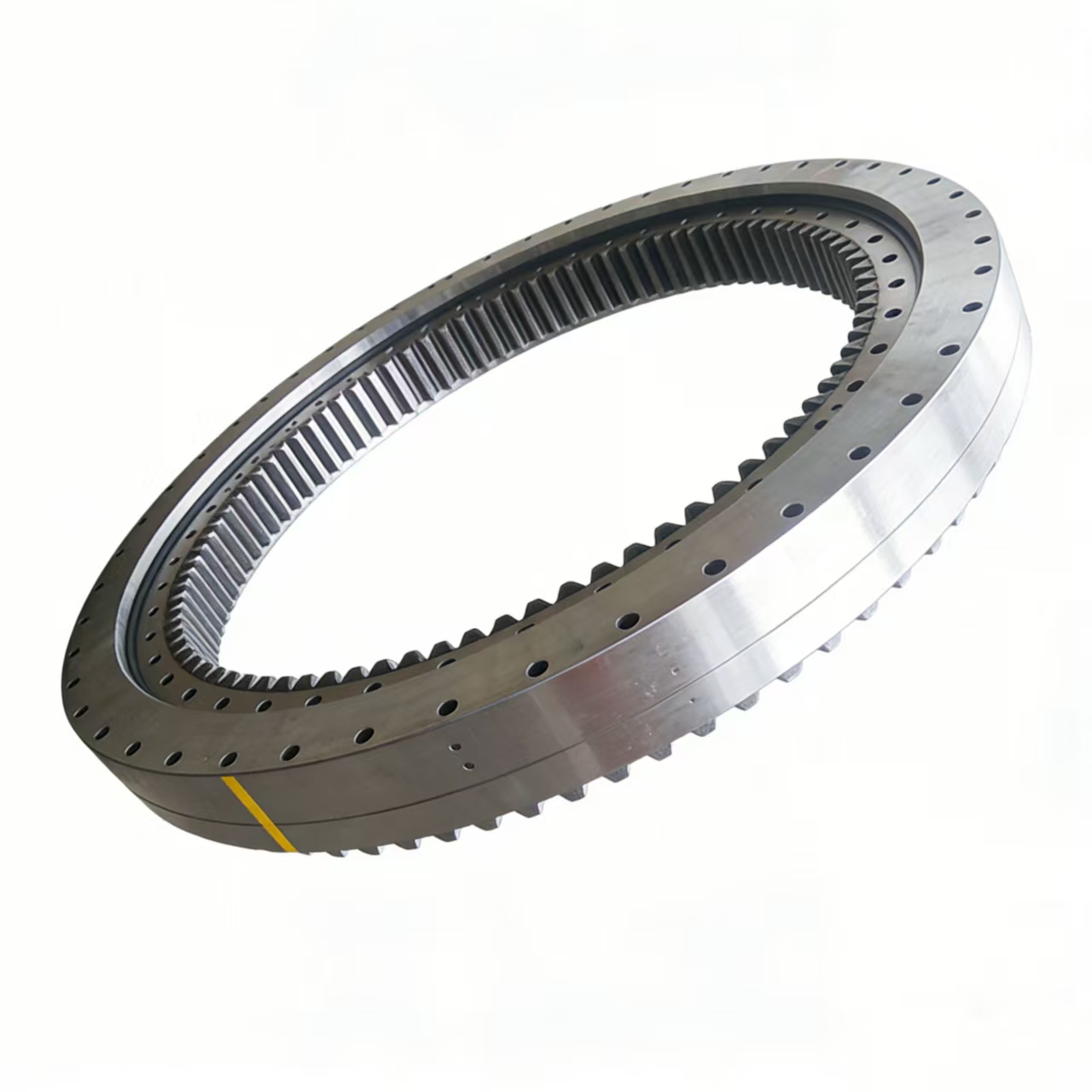
A crane slewing bearing (also called a slewing ring) supports the entire upper structure of the crane—allowing smooth 360° rotation while carrying extreme loads, dynamic forces, and harsh outdoor conditions. Without consistent care, even high-quality bearings fail prematurely from wear, corrosion, or bolt loosening. Industry data shows 96% of slewing ring failures are preventable with regular maintenance.
This guide breaks down practical, actionable maintenance steps to maximize your crane slewing bearing life—focused on real-world use, easy to implement, and designed for search visibility and reader value.
1. Bolt Torque Checks: Stop the #1 Cause of Early Failure
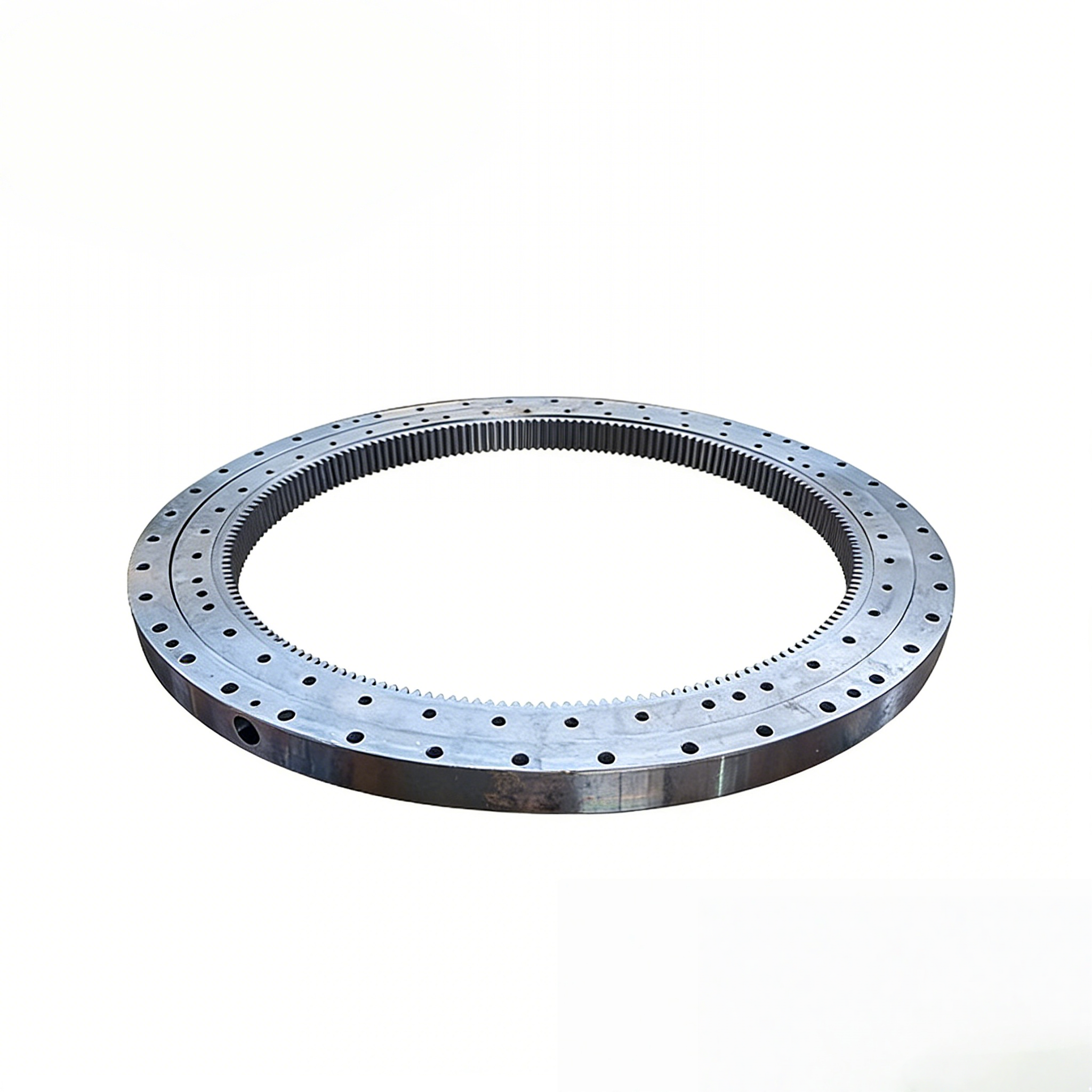
Loose mounting bolts are the single biggest threat to slewing bearing life. Vibration, shock loads, and metal creep gradually reduce bolt preload—creating uneven stress, misalignment, and raceway damage.
Recommended Bolt Inspection Schedule
· First 50–100 operating hours: Full torque check on all bolts (critical break-in period)
· 300 hours: Second full check
· Every 500–1000 hours: Routine torque inspection
· Heavy-duty/shock environments: Shorten intervals to every 300 hours
How to Check Bolts Properly?
· Use a calibrated torque wrench—follow manufacturer specs (typically 70% of bolt yield strength)
· Tighten in a cross-pattern (diagonal sequence) to ensure even preload
· Mark bolt heads and the flange with paint: misalignment = loose bolts
· Replace stretched or damaged bolts as a complete set (never mix old/new bolts)
2. Lubrication: The Lifeblood of Your Slewing Bearing
Lubrication prevents metal-to-metal contact, reduces friction, blocks moisture/dust, and fights corrosion.
Wrong grease or missed intervals = rapid bearing death.
· Standard conditions: NLGI 2 lithium-based EP grease (extreme pressure additives)
· High temperature (>60°C): Complex sulfonate or synthetic grease
· Wet/marine environments: Water-resistant polyurea or calcium-sulfonate grease
· Cold climates (<-20°C): Low-temp synthetic hydrocarbon grease
Lubrication Intervals
· Normal use: Every 100–200 operating hours
· Dusty/construction sites: Every 50–100 hours
· Continuous heavy operation: Every 8 hours (gear side) / 50 hours (raceway)
· Long-term storage: Re-grease every 6 months
Pro Greasing Technique
1. Clean grease nipples first to avoid injecting dirt
2. Slowly rotate the crane while greasing—ensures even distribution
3. Stop only when fresh grease exits the seals (purges old grease/contaminants)
4. Wipe excess grease—do NOT let dirt stick to overflow
Key tip: Never mix different grease types (chemical incompatibility causes performance loss).
3. Seal Inspection & Replacement: Keep Contaminants Out
Seals are the gatekeeper of your slewing bearing. Damaged seals let in water, dust, and sand—turning grease into an abrasive paste that destroys raceways and rolling elements.
What to Check?
· Monthly visual inspection: Look for cracks, tears, hardening, or gaps
· Ensure seals seat tightly—no deformation or misalignment
· Replace immediately if broken or missing
Best Practices
· Use OEM-quality seals (cheap aftermarket seals fail fast)
· When replacing, clean the seal groove thoroughly before installing new ones
· In extremely dusty areas: add an external protective cover
Result: Good seals keep grease clean and extend lubrication intervals—saving maintenance time and bearing life.
4. Visual & Operational Inspections: Catch Problems Early
Train your team to spot warning signs before catastrophic failure. Daily pre-use checks take 2 minutes but prevent days of downtime.
Watch for These Red Flags
· Unusual noise: Grinding, rattling, or squealing during rotation
· Vibration/shaking: Uneven rotation or sudden jolts
· Temperature: Running hotter than 70°C (hand cannot hold >5 seconds)
· Grease leakage: Excessive or dirty grease seeping from seals
· Tooth damage: Check gear teeth for pitting, chipping, or wear
· Rust spots: Surface corrosion on inner/outer rings
Action on Warning Signs
· Shut down immediately if noise/vibration/overheating occurs
· Inspect internally or contact a specialist—do NOT run until fixed
· Document all issues in maintenance logs (track wear patterns)
5. Gear Maintenance: Protect the Slewing Drive System
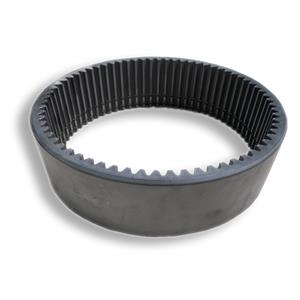
Most crane slewing bearings have an external gear ring—often overlooked but critical to longevity.
Gear Care Steps
· Clean teeth every 8–10 work days to remove metal particles and debris
· Lubricate gear teeth with ISO VG 220–320 heavy-duty gear oil
· Check for:
o Tooth pitting, spalling, or breakage
o Poor meshing (uneven contact)
o Excessive backlash
· Replace worn gear components to avoid shock loading the bearing
6. Long-Term Storage & Seasonal Care
If cranes sit idle—corrosion is the main enemy.
Storage Maintenance
· Before shutdown: fully grease the bearing and rotate to distribute
· Cover the bearing with a waterproof tarp (avoid direct moisture)
· Rotate manually 1–2 full turns monthly—prevents flat-spotting
· Store in dry, ventilated areas (humidity <60%)
· Before re-commissioning:
o Full inspection
o Clean and re-grease
o Check all bolts
o Test run slowly under light load first
7. Operational Best Practices to Extend Life
Maintenance isn’t just about checks—it’s about how you use the crane.
· Never exceed rated load capacity (overload = raceway fatigue/cracking)
· Avoid sudden starts/stops (shock loads damage rolling elements)
· Minimize side loading and uneven lifting
· Do not wash the bearing directly with high-pressure water (forces water past seals)
· Train operators to recognize abnormal behavior and report immediately
Final Thoughts: Maintenance = ROI for Your Slewing Bearing
A high-quality crane slewing bearing should last 10+ years with proper care. Skip maintenance, and you could face failure in 2–3 years—costing thousands in replacement, crane downtime, and project delays.
The formula is simple:Regular bolt checks + correct lubrication + seal care + early problem detection = maximum slewing bearing life.
At Luoyang Hengguan Bearing Technology Co; Ltd, we engineer heavy-duty crane slewing bearings built for longevity—and we back them with expert maintenance support. Whether you need replacement bearings, seal kits, or custom lubrication plans, our team helps you keep your cranes turning reliably for years.
Need help with your slewing bearing maintenance schedule?Contact us today for a free inspection guide or to discuss our high-performance slewing rings designed for extreme crane applications.